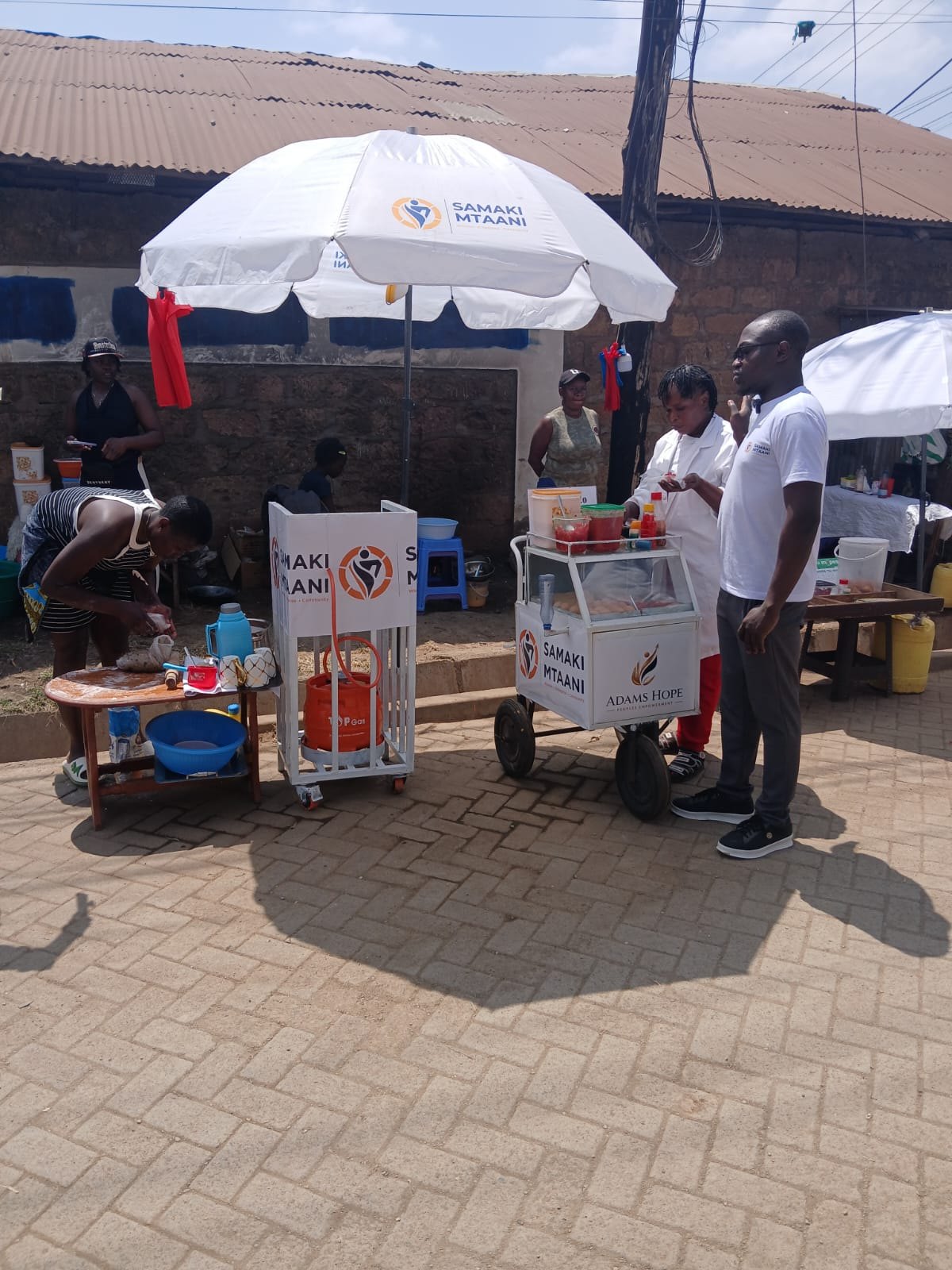
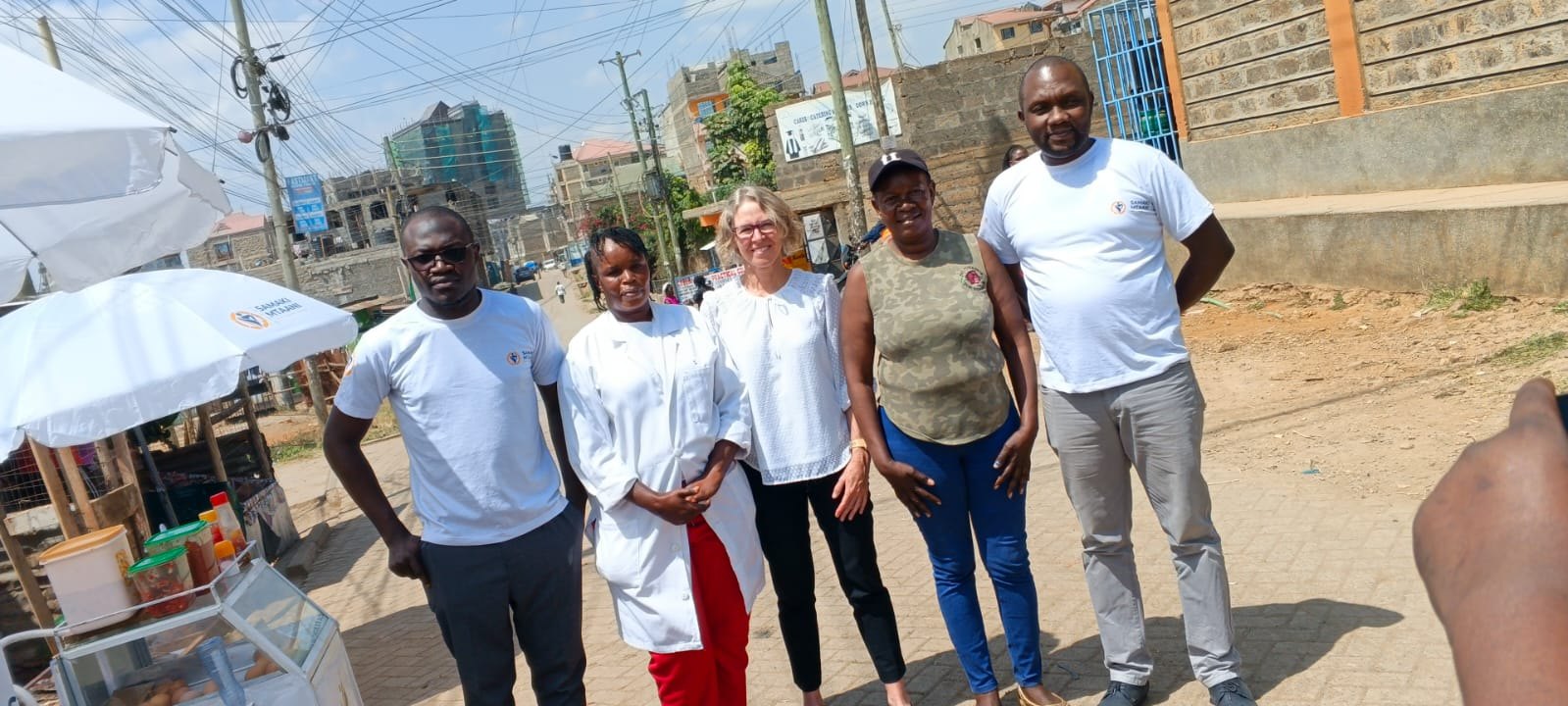
We set up young people and women with LPG-powered chapati and egg kitchens on Nairobi's roadsides — the equipment, the stock, the training — and share the revenue with them when the day closes.

Full kitchen kit per vendor — carried by the programme, not by her.
Chapatis cooked per vendor per day on a single LPG burner.
Charcoal, firewood or kerosene used at the cooking point.
Micro-vendors across 12 peri-urban chapters at full roll-out.
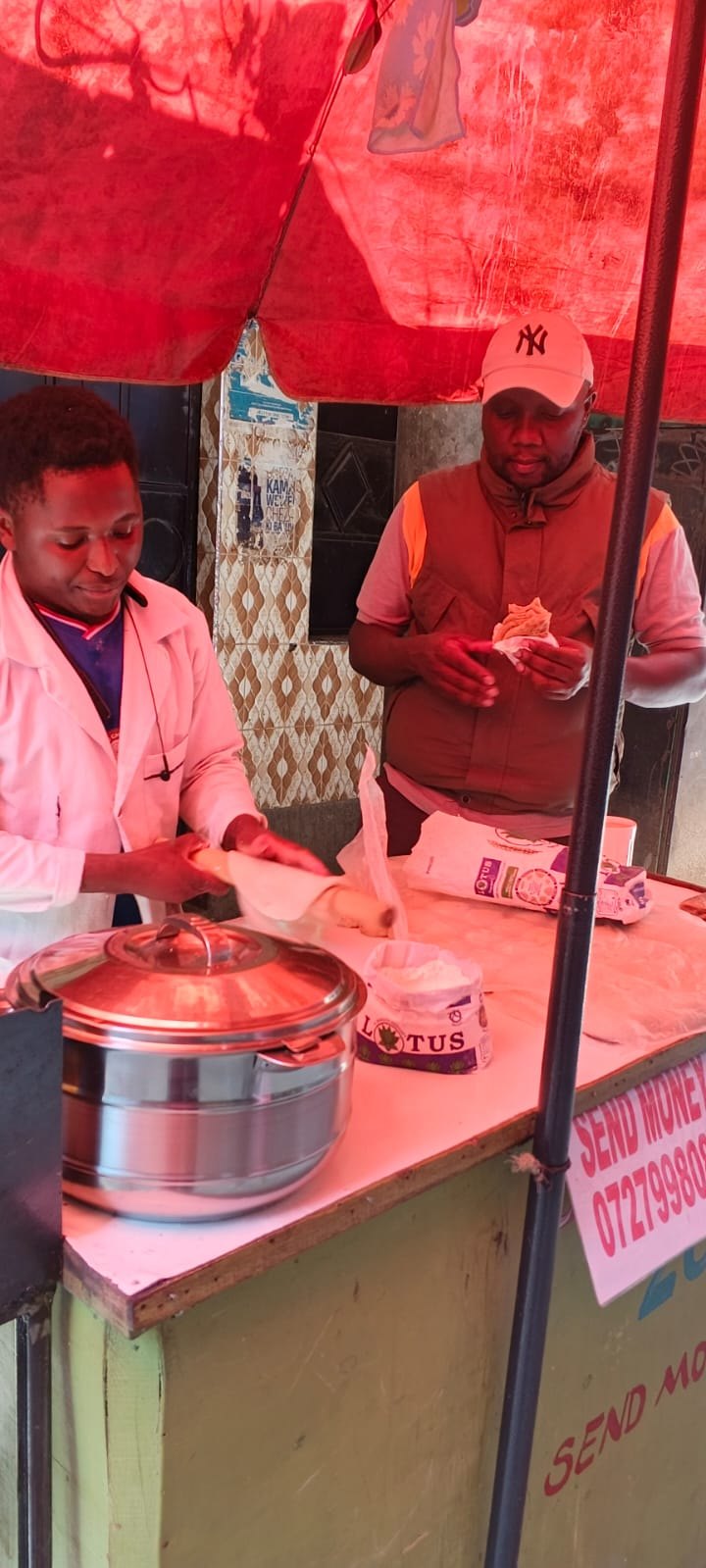
Roadside chapati is a daily staple with steady demand. Most of it is cooked over charcoal by vendors working without capital, stock credit or a reliable wage. We fix all three at once.
deaths a year worldwide are linked to household air pollution from cooking with polluting fuels. Moving roadside kitchens to LPG takes that smoke out of the working day of the women who cook for a living.
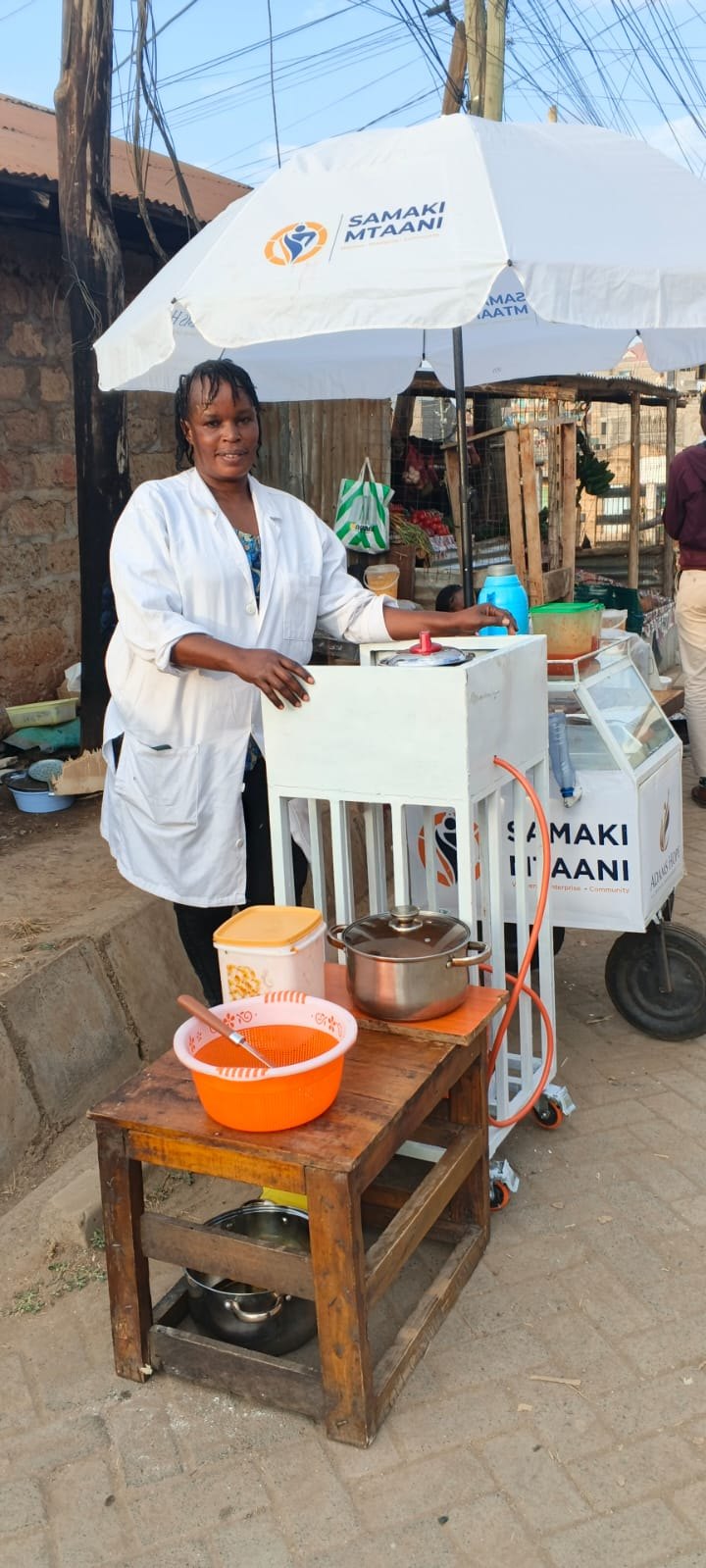
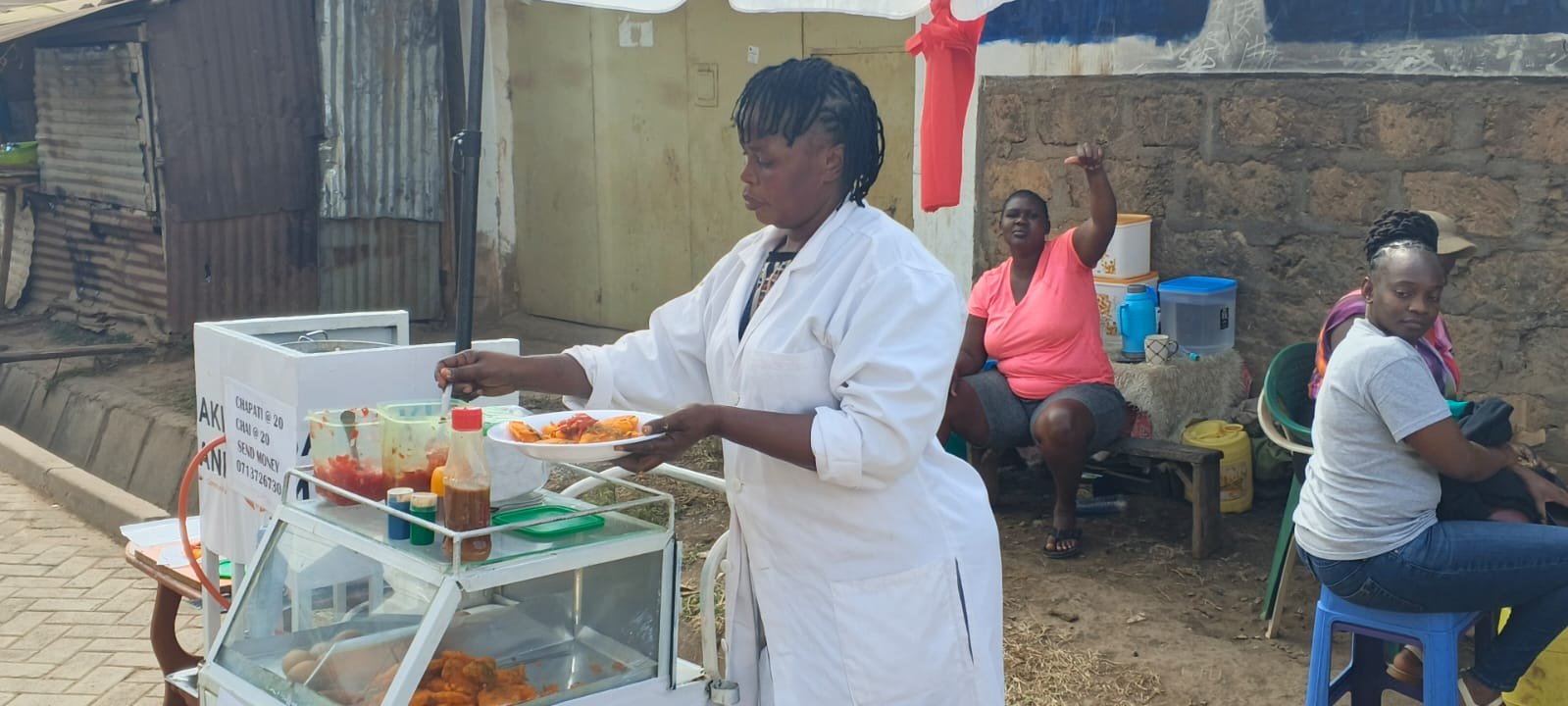
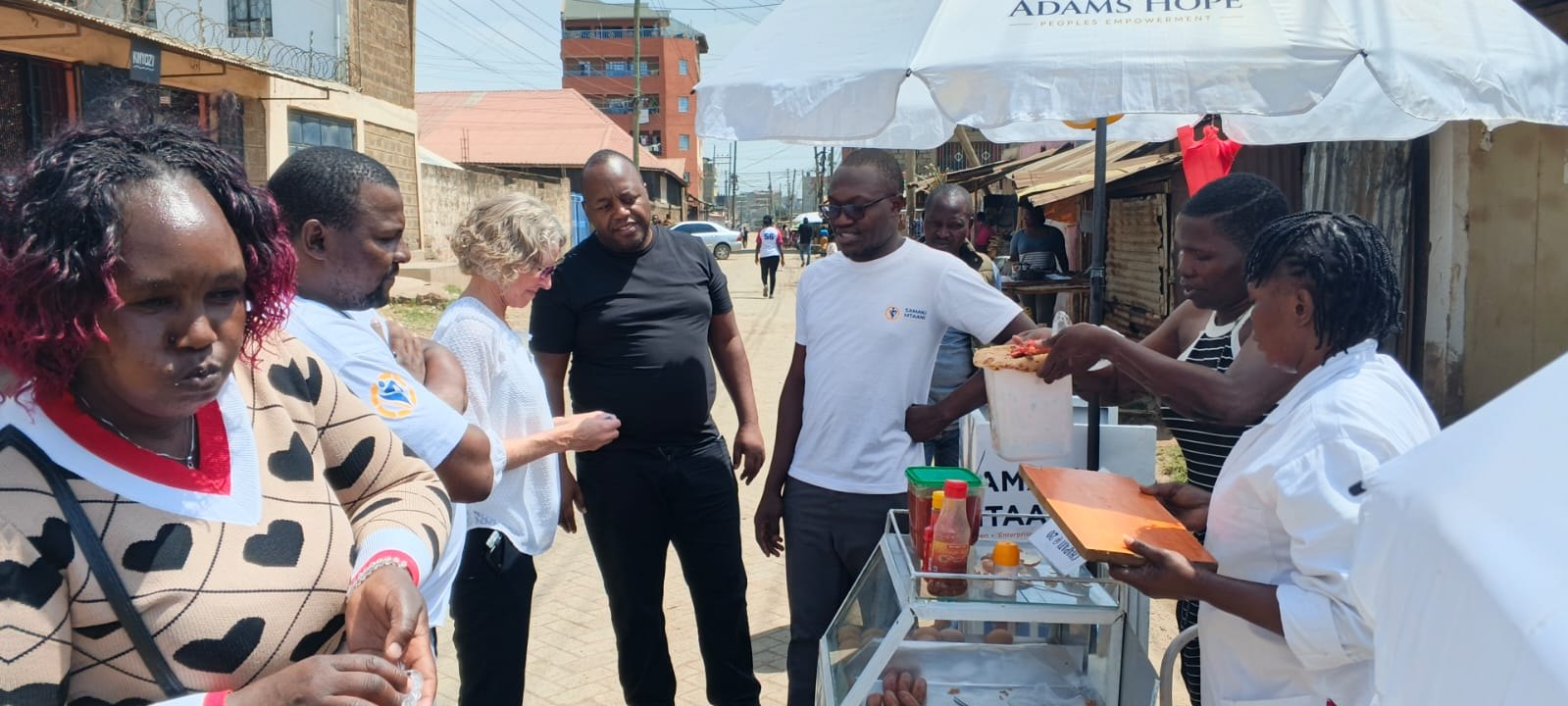
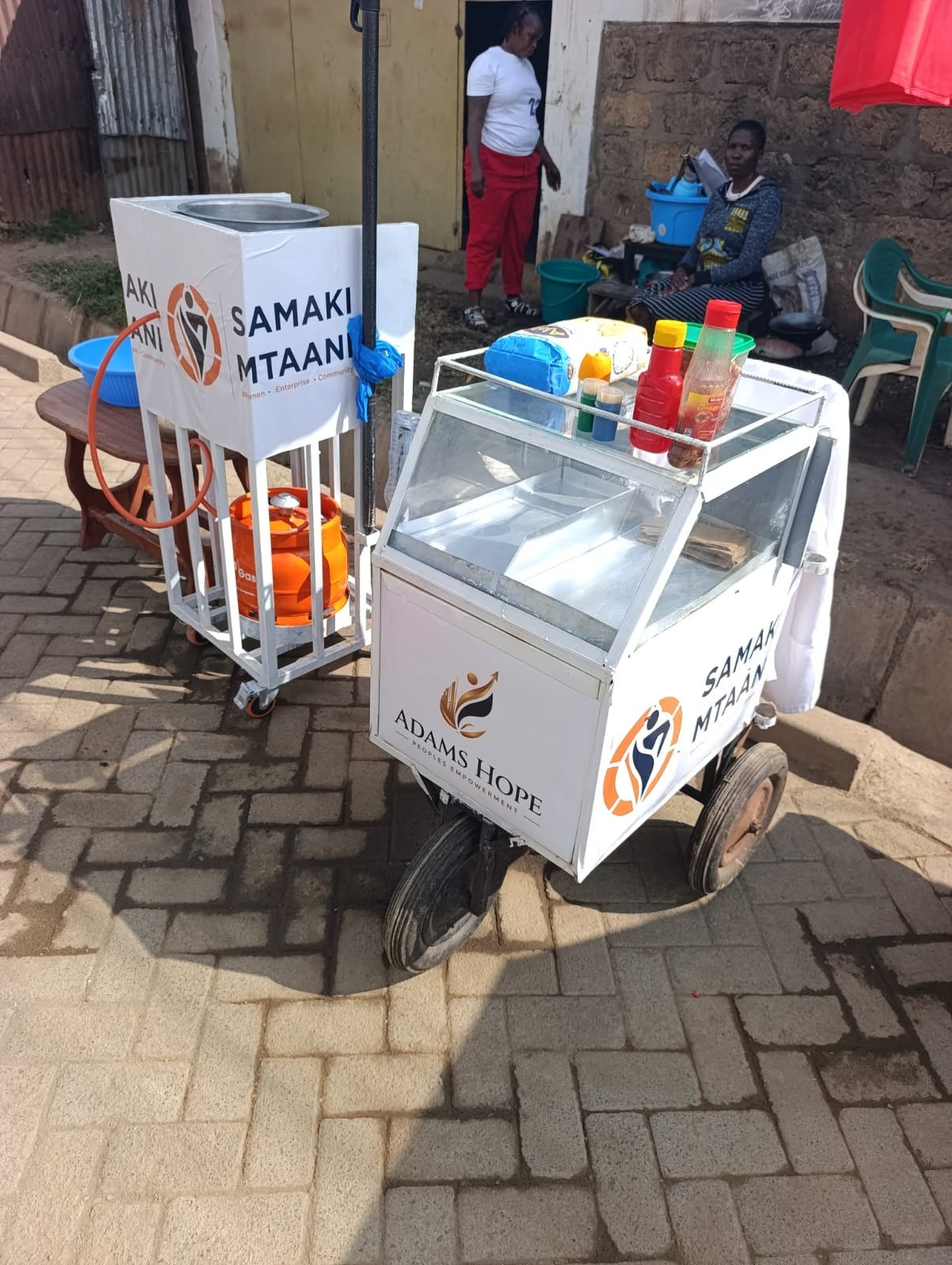
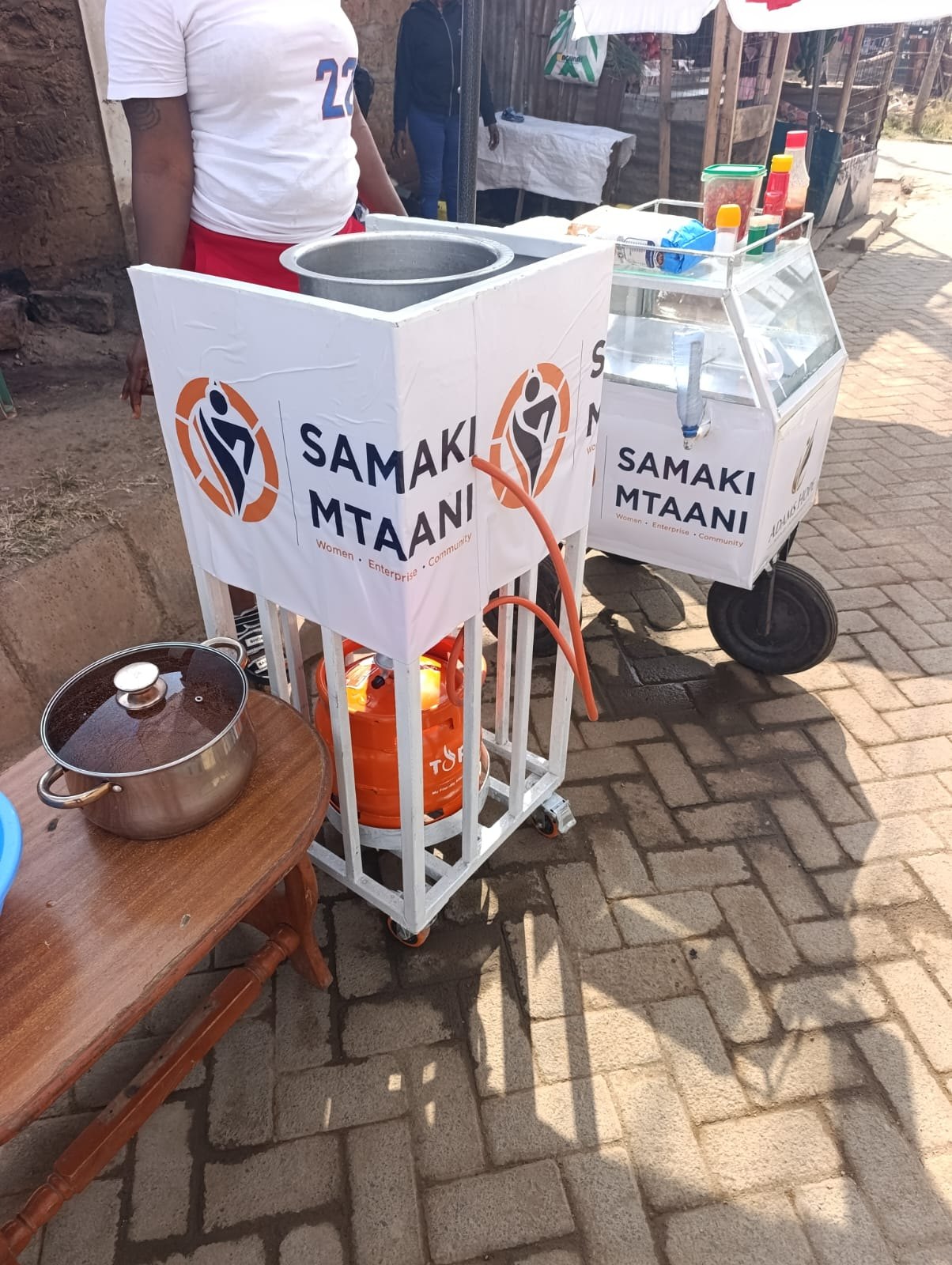
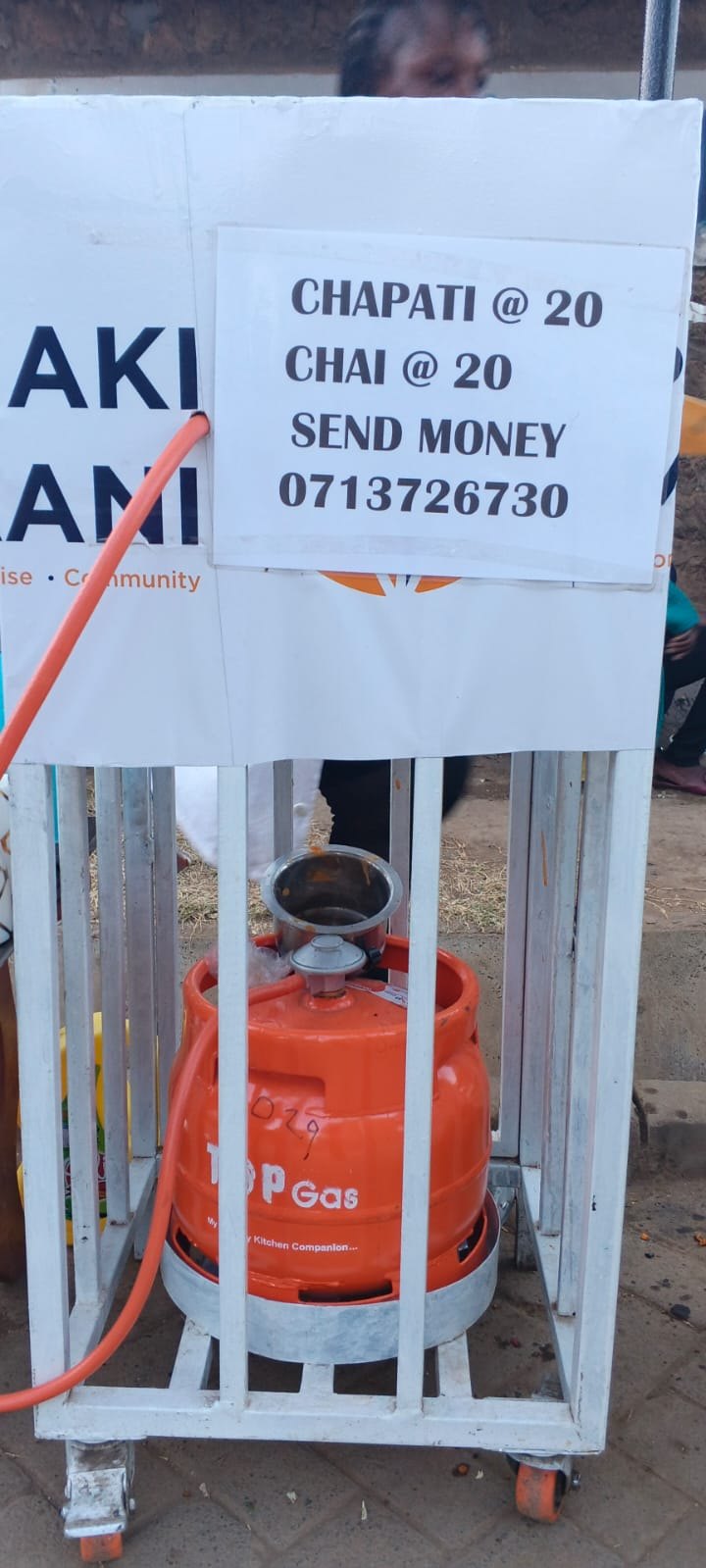
Source — World Health Organization, Household air pollution fact sheetThese aren't renders. The pilot kitchens are already trading in Nairobi, with TopGas cylinders, branded frames and handwritten price cards.


Every day runs on the same rhythm, so every day can be measured. That's what makes this fundable — and repeatable across 6,000 kitchens.

Every vendor starts with the same kitchen, costed line by line. Hover any line for what it's for.
02TopGas 6 kg cylinder
01Vending frame
05Display cart on wheels
Roughly US$154 per kitchen. The kit stays with the programme; the vendor keeps the income. Stock is replenished daily from the nearest spoke.
Defaults are our baseline plan: 96 chapatis and 15 eggs a day, 26 trading days a month. Try a slow day. Try a good one.
≈ US$166
24% of sales — funds spokes, supervision and reinvestment
Baseline per-vendor P&L from the Samaki Mtaani operating plan. Vendor share = 34.7% of sales. LPG at one 6 kg cylinder (KSh 900) per 6 trading days. KSh 129 ≈ US$1.
Every dot below is one kitchen. Vendors work in groups of 25, groups of 20 form a chapter, and each chapter copies the same structure and economics.
Every sale is logged; every superintendent visit is GPS- and photo-stamped. That gives funders indicator-level reporting without extra surveys.
Each partner holds the part of the programme they're best at — so the vendor only has to cook.
Recruits, trains and supervises vendors; runs the hub-and-spoke stock system and the daily revenue share.

Supplies the clean fuel behind every kitchen — cylinders, regulators and a reliable refill chain into each spoke.
Strengthens programme design, governance and reporting so funders get clean, comparable evidence.

Samaki Mtaani is a member of Mama Hope's 2026 Localisation Development Accelerator cohort. Through Mama Hope, a U.S. 501(c)(3) public charity, American funders can support our work with tax-deductible grants.
Samaki Mtaani is a Kenya-based community organisation and an active partner of Mama Hope, Inc. (EIN 26-0835534), a U.S. 501(c)(3) public charity. Mama Hope's IRS exemption has been in effect since August 31, 2007, and it is classed as a public charity under IRC §170(b)(1)(A)(vi). Contributions to Mama Hope are tax-deductible under IRC §170.
Mama Hope's most recent Form 990 (FY June 2024–May 2025) shows 87.19% public support. It also shows that Mama Hope already makes and monitors international grants to community-led organisations, which totalled $59,662 that year. U.S. foundations, corporations and individuals can make grants to Mama Hope in support of Samaki Mtaani's work.
The LDA is Mama Hope's nine-month programme for leaders of community-based organisations. It covers strategic planning, finance, operations, monitoring, evaluation and learning, and communications.
“Ikua has proven to be an outstanding and reliable partner to Mama Hope. He consistently delivers high-quality work, communicates transparently, and approaches partnership with integrity.”
Vincent Mwangi · Co-Executive Director, Mama Hope · June 2026